


What is Haemochromatosis?
Haemochromatosis is a condition where the body absorbs too much iron from food. Over time this excess iron accumulates in tissues such as the liver, pancreas and joints, where it can cause oxidative damage.
How Is Iron Toxic?
Iron is essential for many processes in the body, including oxygen transport and energy production. However, when iron levels become too high it can become harmful.
One of the key reasons for this is something called the Fenton reaction. In this reaction iron interacts with hydrogen peroxide and other molecules to produce highly reactive free radicals, particularly hydroxyl radicals.
These reactive oxygen species can damage:
-
lipid membranes
-
proteins
-
DNA
Over time this oxidative damage can contribute to inflammation, tissue injury and disease.
Symptoms of Iron Overload
Possible symptoms include:
-
fatigue
-
joint pain
-
abdominal discomfort
-
brain fog
-
elevated liver enzymes
-
hormonal imbalance
-
skin pigmentation changes
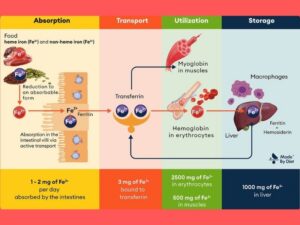
Foods That Increase Iron Absorption
-
vitamin C rich foods
-
fermented foods
-
citric acid containing foods
-
fructose
Foods That Reduce Iron Absorption
-
tea and coffee (polyphenols)
-
calcium rich foods
-
phytate containing foods
-
high polyphenol foods such as berries
Practical Ways to Reduce Excess Iron
Some strategies that may help include:
-
Regular blood donation
-
Avoiding excessive iron supplementation
-
Combining iron-rich foods with natural inhibitors of iron absorption
-
Consuming polyphenol-rich foods such as tea and berries
-
Supporting liver antioxidant pathways
Can haemochromatosis cause fatigue?
Yes. Iron accumulation can impair mitochondrial energy production and liver function.
What blood tests detect haemochromatosis?
Ferritin, transferrin saturation and genetic testing for HFE mutations.
Frequently Asked Questions
Can haemochromatosis cause fatigue?
Yes. Excess iron can affect liver function, mitochondrial energy production and inflammatory pathways.
How is haemochromatosis diagnosed?
Diagnosis usually involves blood tests such as ferritin, transferrin saturation and sometimes genetic testing for HFE mutations.
Can diet influence iron levels?
Dietary factors can influence iron absorption, particularly vitamin C, polyphenols and phytates.
If you have elevated ferritin or concerns about iron balance, personalised nutritional and lifestyle strategies may help support healthy iron regulation. Book here
Article Updated by Laura Hickey March 2026