
Is Soy Milk Good For You?
Soy milk is a nutritious plant-based milk made from soybeans. It is naturally high in protein, low in sugar, and contains beneficial compounds called isoflavones. Current research suggests that moderate soy intake may support heart health, hormone balance, and metabolic health.
While soy has sometimes been controversial due to concerns about phytoestrogens and thyroid function, most research shows that whole soy foods can be a healthy part of a balanced diet for many people.
To Soy or not to Soy?
Is Soy good or bad for you? When ordering my soy latte recently I almost feel like I’m doing something naughty.
I’ve over heard barista conversations advising customers about the negative impacts of soy and I have clients ask me in confusion, should I include soy in my diet or not? So I thought it is time to have a deeper look and settle the question once and for all – To soy or not to soy?
Soy milk is one of the most popular dairy alternatives, but it is also one of the most controversial foods. Many people worry about phytoestrogens, hormone disruption, or thyroid health. However, modern research tells a more balanced story. In this article we explore the science behind soy, its potential health benefits, and whether soy milk deserves its controversial reputation.
Soy is a bean – what’s its nutritional content?
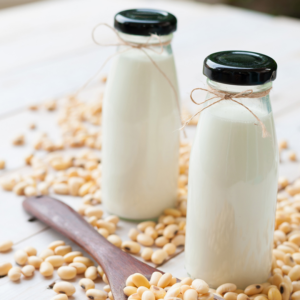
Soy is a food that is;
-
- high in protein
-
- high in fibre
-
- low in sugar
-
- high in healthy polyunsaturated fats.
It is also high in some key minerals such as
-
- manganese
-
- magnesium
-
- vitamin K
-
- folate
As well as phytonutrients soy phytosterol, soyasaponin and lecithin. From a nutritional perspective soy is a very healthy food, with numerous health benefits. So lets look a bit deeper.
Phytoestrogens
Where soy starts to get into trouble is with is Isoflavones. Isoflavones are phytoestrogens – plant compounds that have oestrogen-like structures.
There are three types of isoflavones in soy
-
- genistein (dominant)
-
- daidzein
-
- glycitein
There are some studies published from 2005 by Retha R. Newbold suggesting that genistein exposure is linked to abnormal oestrous cycle, altered ovarian function, and infertility in mice. There is however some controversy around this as the genistein was being isolated and injected into mice at much higher doses than can be consumed.
If you look at Asian countries where soy consumption is much higher, their populations have less
- breast cancer,
- prostate cancer, and
- cardiovascular disease,
- fewer bone fractures.
- lower incidence of aging-related brain diseases.
Additionally, women in these populations report
- fewer menopausal symptoms,
Soy health benefits
If we skip ahead to research from the 2020’s then soy is looking pretty promising. Regular intake of soy and soy isoflavones has been linked to;
-
- Obesity-prevention(3, 4, 6)
-
- Blood glucose reduction (5)
-
- Cholesterol lowering (13)
-
- Lowering blood pressure (7)
-
- Osteoporosis reduction post menopause (11)
-
- Reduced incidence of breast cancer (10)
-
- Reduced incidence of endometrial cancer (14)
-
- Reduced incidence of ovarian cancer (10)
-
- Anti-oxidative effect
-
- Anti-inflammatory (8)
-
- Improved cognitive function (9)
-
- Reduce the risk of endometriosis (12)
How can soy affect your hormones and thyroid?
Soy and Hormones
If soy has phytoestrogens then how can it be good for your hormones? Aren’t too much oestrogen’s bad?
This is a good question and one that has left researchers a little confused. It makes sense to use phytoestrogens post menopause – your oestrogen is dropping off so eat more phytoestrogens and boost them up. After all oestrogen’s in moderate amounts are beneficial for bone health, mood, immune health, the cardiovascular system and optimal functioning reproductive system. But if you are suffering from oestrogen dominance and conditions and/or symptoms associated with this such as endometriosis, heavy periods, bad pms, acne then shouldn’t you avoid phytoestrogens? Well actually the answer is No, and here is why.
Phytoestrogens are naturally selective to specific types of oestrogen receptors. There are two types of oestrogen receptors in the body;
-
- Oestrogen receptor alpha (ORα) and
-
- Oestrogen receptor beta (ORβ).
- Phytoestrogens from soy preferentially bind to beta receptors. Within the body the liver, bones, cardio vascular system contain mainly ORβ, whilst the uterus, ovaries and breast tissue contain more ORα. Oestrogen signaling is selectively stimulated or inhibited depending upon a balance between ORα and ORβ activities in target organs. So as the phytoestrogens in soy promote activity in ORβ systems and organs they down regulate activity in ORα systems. Therefore phytoestrogens have a balancing effect on oestrogen activity in the body.
Soy and Thyroid
In short the issue with soy and thyroid is that the two main soy isoflavones, genistein and daidzein, inhibit thyroid hormones.
However this action is blocked by iodine. So if your iodine is fine then it is not an issue. Also the studies that have discovered this are based on very large amounts of soy, for example babies on soy formula developing goitres and even in this scenario, the goitre was releived by adding iodine to the formula. More recent studies where women have been given 90mg of soy daily – this is equal to drinking 1L of soy milk or 250g of tofu a day found no impact on thyroid after 6 month. So unless your going soy crazy, or supplementing with high dose isoflavones such as genistein, coupled with low iodine, then there is no need to worry about soy and thyroid.
Conclusion
Based on the research soy is a healthy food that can benefit many systems in your body including your hormones. So enjoy your soy latte, tempeh, tofu and veg curry.
FAQ’s About Soy
Is soy milk good for you?
Soy milk is a nutritious plant-based milk alternative that contains protein, fibre, healthy fats and beneficial phytonutrients. When consumed in moderate amounts it can support heart health, hormone balance and metabolic health.
Does soy increase oestrogen in the body?
Soy contains phytoestrogens, which are plant compounds that interact with oestrogen receptors. However, they are much weaker than human oestrogen and tend to help regulate hormone signalling rather than increase oestrogen levels.
Is soy bad for the thyroid?
Soy can slightly inhibit thyroid hormone production in laboratory studies, but this effect appears to be minimal in people with adequate iodine intake. Most research shows moderate soy consumption does not negatively affect thyroid health.
Is fermented soy healthier?
Fermented soy foods such as tempeh, miso and natto are traditionally prepared foods that may improve digestibility and nutrient absorption. If induct about how to eat something – always look at what has been done traditionally .